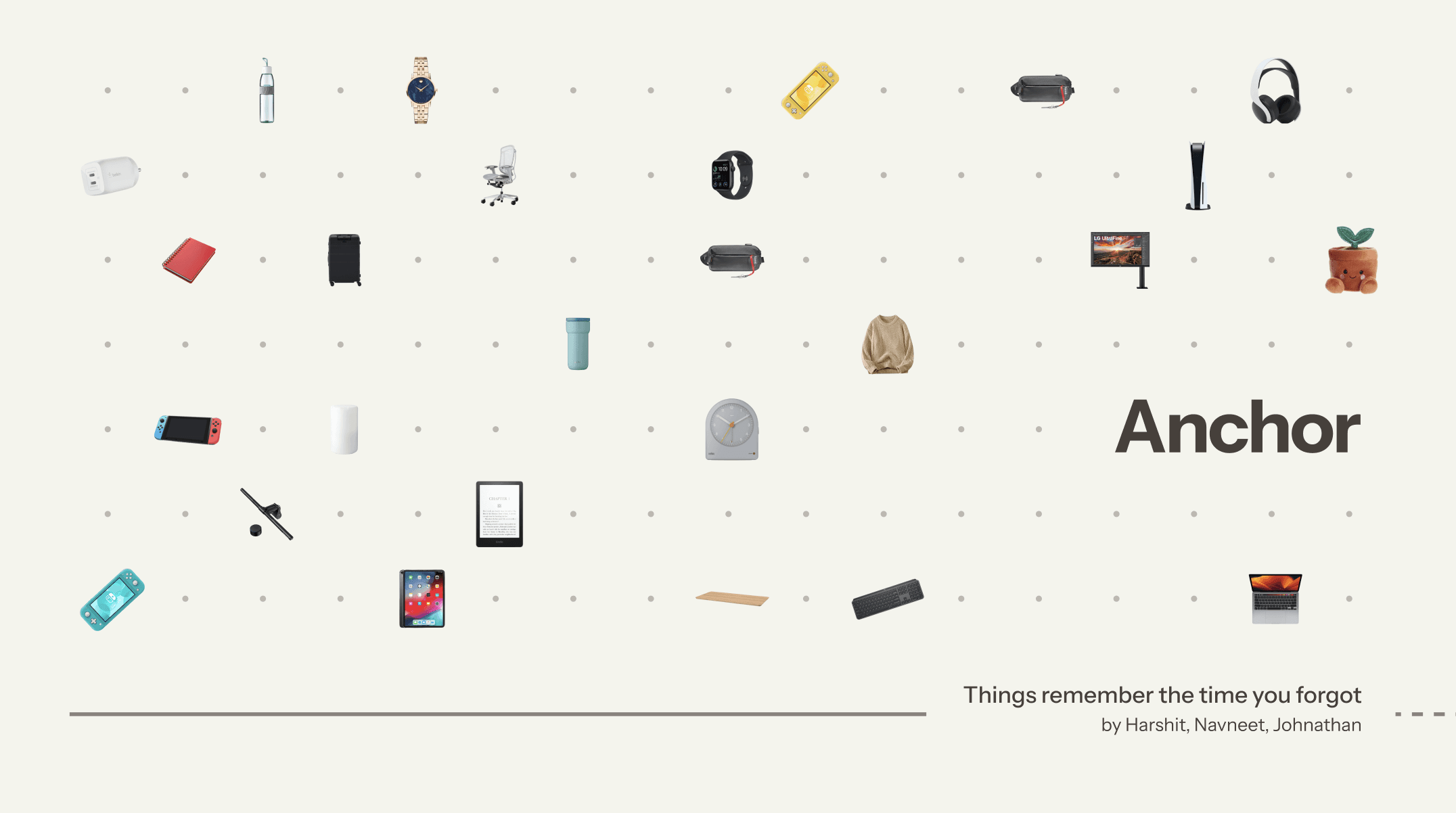
FIGMA FIGBUILD 26
FIGMA FIGBUILD 26
Anchor
Anchor
Anchor
Team
6 March 2026 - 9 March 2026
My Role
Timeframe
Research & concept definition,
Contributed to visual design
3 Designers: Navneet Vaid, Harshit
Beniwal, Johnathan Jiang
Figma, Figma Make
Tools
Team
3 Designers: Navneet Vaid, Harshit Beniwal, Johnathan Jiang
3 Designers: Navneet Vaid, Harshit
Beniwal, Johnathan Jiang
Timeframe
6 March 2026 - 9 March 2026
My Role
Research & concept definition,
Contributed to visual design
Tools
Figma, Figma Make
THE INSIGHT
THE INSIGHT
THE INSIGHT
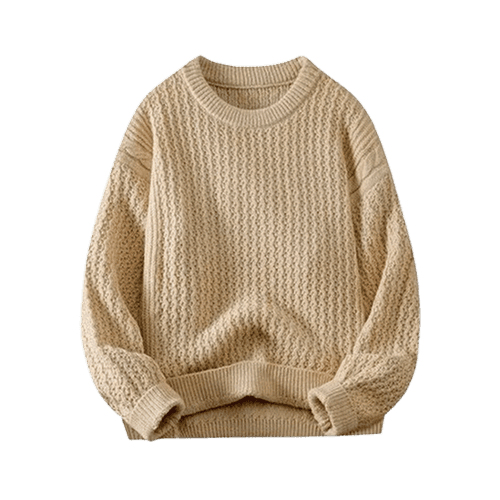
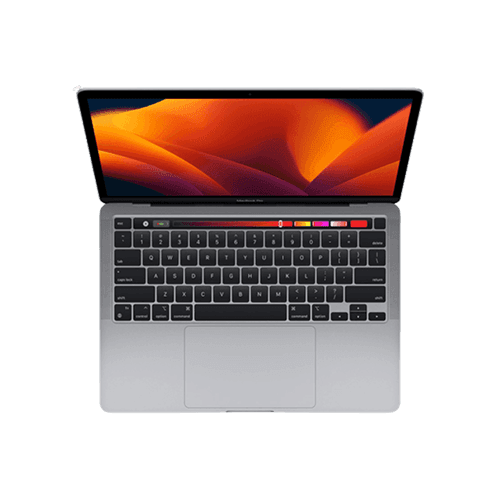
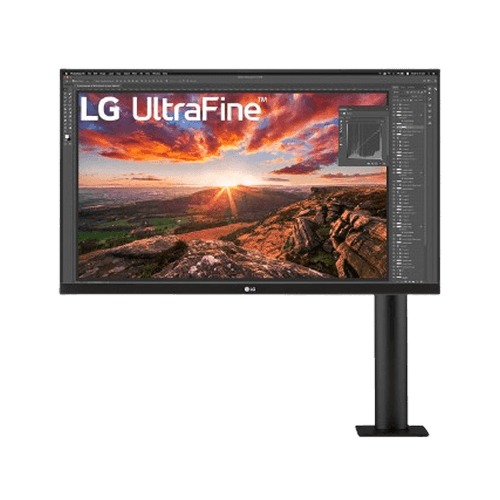
It started with three objects.
It started with three objects.
Before any interface, the three of us each brought an object we couldn't stop thinking about — and realized we'd all felt the same thing: time that didn't move the way it actually passed.
Before any interface, the three of us each brought an object we couldn't stop thinking about — and realized we'd all felt the same thing: time that didn't move the way it
actually passed.
Before any interface, the three of us each brought an object we couldn't stop thinking about — and realized we'd all felt the same thing: time that didn't move the way it
actually passed.
A replacement for one lost — a quiet measure of how long it's been.
Johnathan's plush
A replacement for one lost — a quiet measure of how long it's been.
A replacement for one lost — a quiet measure of how long it's been.
Johnathan's plush

Used mindlessly every day; secretly marks nearly three years.
Used mindlessly every day; secretly marks nearly three years.
Used mindlessly every day; secretly marks nearly three years.
Nav's CCA ID card
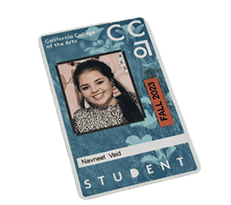
Nav's CCA ID card
A graduation gift he returns to whenever life overwhelms.
A graduation gift he returns to whenever life overwhelms.
Harshit's survival manual
A graduation gift he returns to whenever life overwhelms.
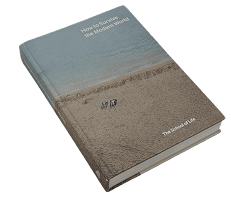
Harshit's survival manual
"Looking back, we remember emotions more clearly than events. Stress, loneliness, or uncertainty can compress months of life into something that feels like nothing."
"Looking back, we remember emotions more clearly than events. Stress, loneliness, or uncertainty can compress months of life into something that feels like nothing."
"Looking back, we remember emotions more clearly than events. Stress, loneliness, or uncertainty can compress months of life into something that feels like nothing."
PROCESS
PROCESS
PROCESS
From 33 senses to one.
From 33 senses to one.
The Figbuild prompt asked us to design for an intangible sense. My research drove the narrowing: I mapped the space of human senses, then grounded the team in chronoception — what it is, and what we were actually designing for.
From there, we defined the product before we designed it.
The Figbuild prompt asked us to design for an intangible sense. My research drove the narrowing: I mapped the space of human senses, then grounded the team in chronoception — what it is, and what we were actually designing for.
From there, we defined the product before we designed it.